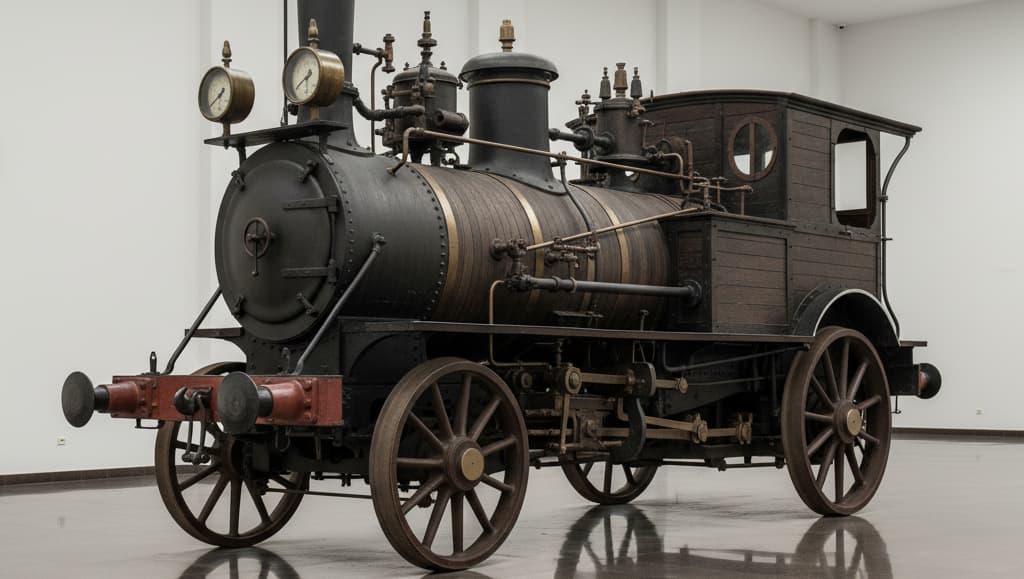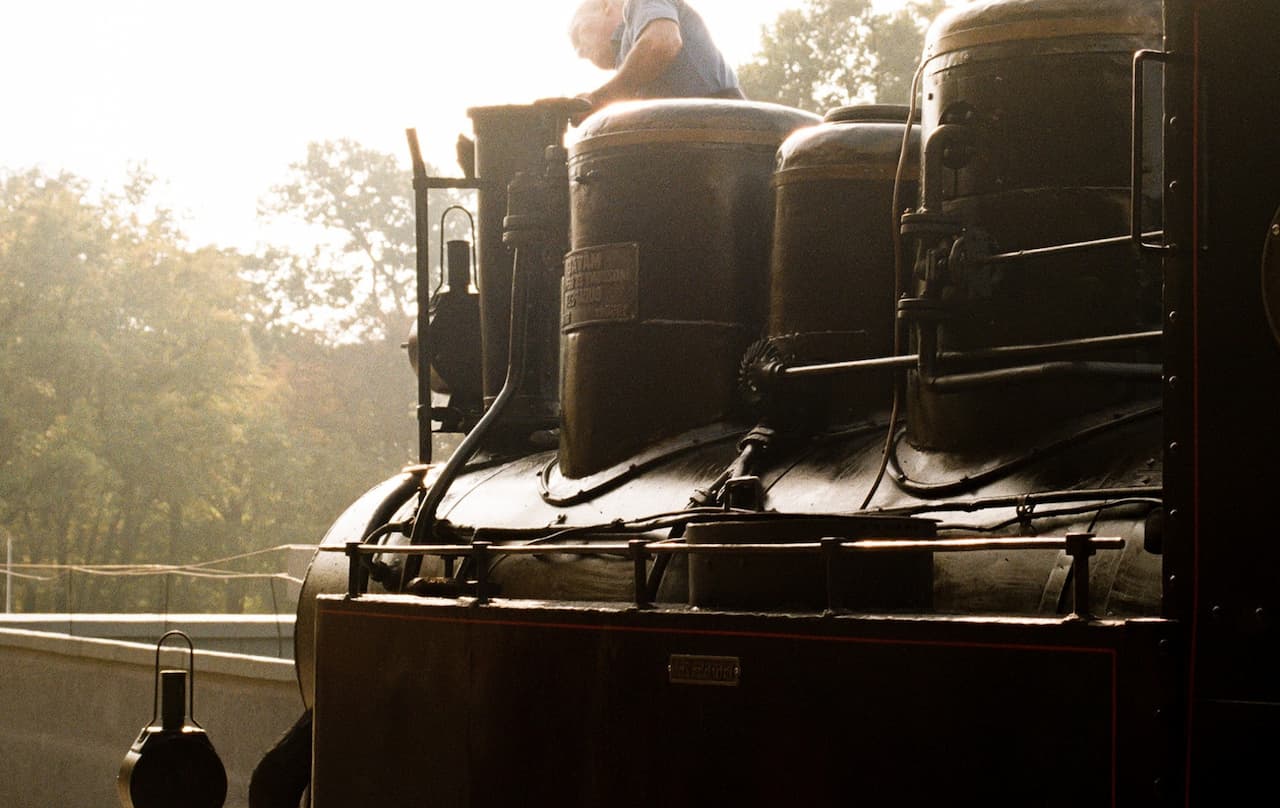
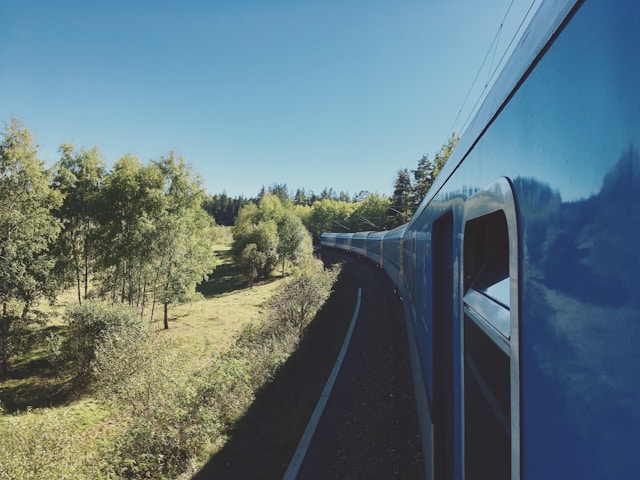
America has over 500 tourist and heritage railroads. Most are novelties — short loops, seasonal pumpkin trains, holiday specials. A handful are something else: full-scale mountain and canyon routes where the scenery, the engineering, and the historical context combine into an experience no highway can replicate. These are the ones worth planning a trip around.
What Makes a Heritage Railroad Worth the Journey
Not every preserved railroad earns the label “scenic route.” The benchmark here is specific: multi-hour runs through terrain inaccessible or meaningfully different by road, original or period-accurate equipment, and continuous operation without major service gaps. The routes below meet all three criteria and are confirmed operating in 2026.
The Top Heritage Railroad Routes in the United States
Five routes stand out for their combination of operational continuity, historical authenticity, and terrain that justifies the trip on its own terms. Each covers a distinct region — from high-altitude Colorado passes to Arizona red-rock canyons. Some travelers prefer the rich historical backdrop of these routes, while others are drawn by the incredible landscapes and the sheer nostalgia of the train ride itself.
And for those who enjoy a bit of extra luck on the side, online platforms offering bonuses like the one found on https://gry-hazardowe-zadarmo.com/bonus-bez-depozytu/ are an exciting way to add some fun to your travel planning, giving you the chance to explore more options without making a deposit.
Durango & Silverton Narrow Gauge Railroad — Colorado
The D&SNG is the gold standard. Running 45 miles between Durango and Silverton through the San Juan Mountains, this narrow-gauge coal-fired steam railroad has operated continuously since 1882. The route follows the Animas River gorge — a canyon so steep that the railroad was the only practical access to Silverton until 1883.
Round trips run approximately 9 hours with over 3,000 feet of elevation gain. The train crosses open-deck bridges and clings to cliff faces with no road parallel. Gondola cars are the correct choice for photography. Runs early May through late October; book 6–8 weeks ahead for summer weekends.
Cumbres & Toltec Scenic Railroad — New Mexico/Colorado
The C&TSR covers 64 miles between Chama, NM and Antonito, CO — the longest and highest narrow-gauge steam railroad in the United States. The route climbs to Cumbres Pass at 10,015 feet and traverses the Toltec Gorge, a 600-foot-deep canyon with zero road access.
Compared to the D&SNG, the C&TSR is quieter, more remote, and less visited. Jointly owned by New Mexico and Colorado, it runs locomotives dating to the 1920s. Full one-way trips require a shuttle return. Operating season: May through October.
Great Smoky Mountains Railroad — North Carolina
The GSMR departs from Bryson City through the Nantahala Gorge — river valleys through old-growth forest that the Blue Ridge Parkway doesn’t reach. Primary runs cover 32 miles into the gorge and back.
Less technically dramatic than the Colorado lines but more accessible: longer season, lower elevation, and optional whitewater rafting add-ons at the gorge. The right choice for riders who want scenery without a full mountain railroad commitment.
Mount Washington Cog Railway — New Hampshire
The oldest mountain-climbing cog railway in the world, operating since 1869. The route ascends 3.7 miles to the summit of Mount Washington at 6,288 feet — the highest peak in the Northeast. The grade peaks at 37.4% on Jacob’s Ladder, the steepest section of any standard-gauge cog railway in the Western Hemisphere.
The summit experience is weather-dependent and unpredictable. Mount Washington recorded 231 mph winds in 1934 — the highest surface wind speed ever measured in the Northern Hemisphere. Summit visits can range from whiteout fog to clear 100-mile views, sometimes within the same hour. Operates May through November.
Verde Canyon Railroad — Arizona
The Verde Canyon route runs 20 miles through a red-rock canyon in central Arizona with no road access. Canyon walls reach 800 feet. Bald eagles nest along the Verde River below, with sightings common from January through March. A 4-hour round trip from Clarkdale; open-air viewing cars and periodic night excursions. Operates year-round.
Planning Considerations Across All Routes
Timing and booking lead time vary sharply. Getting these details right is the difference between a well-executed trip and a sold-out disappointment.
Booking Windows
Summer 2026 weekend dates on the D&SNG and C&TSR sell out 8–12 weeks in advance. Verde Canyon and GSMR require 3–4 weeks for preferred car class. Mount Washington Cog is walk-up friendly on weekdays outside July–August.
Best Seasons by Route
| Railroad | Peak Season | Best for Photography |
| Durango & Silverton | June–September | Late September (fall color) |
| Cumbres & Toltec | July–October | Early October |
| Great Smoky Mountains | April–November | October |
| Mount Washington Cog | June–October | Clear days, any month |
| Verde Canyon | Year-round | January–March (eagles) |
What to Bring
Open-car travel on steam routes means direct exposure to soot, cinders, and wind. Light eye protection, a layer regardless of ground temperature, and a camera with a lens cloth are baseline requirements. The D&SNG and C&TSR explicitly warn passengers about cinder exposure on open cars.
The Case for Going Now
Several of these railroads operate on thin margins. The C&TSR relies on state funding and volunteer labor. Deferred infrastructure costs and equipment aging affect the entire heritage sector. These routes exist because enough people prioritized them — and continued ridership keeps them viable for the next decade.
The scenery hasn’t changed since 1882. The schedules have.